
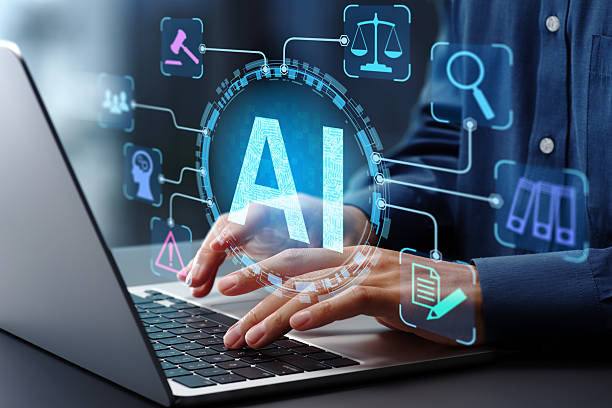
What is Artificial Intelligence?
Artificial Intelligence (AI) refers to the simulation of human intelligence in machines programmed to think, learn, and adapt like humans. These systems are designed to make decisions, solve complex problems, and process vast amounts of data at unprecedented speeds.
How AI Works
At its core, AI combines massive datasets with fast, iterative processing and intelligent algorithms. This allows software to learn automatically from patterns or features in the data. Key components of AI include:
- Machine Learning (ML): A subset of AI that focuses on building systems that learn from data to improve their performance without being explicitly programmed.
- Deep Learning: An advanced branch of machine learning based on artificial neural networks that mimic the human brain.
- Natural Language Processing (NLP): The ability of computers to understand, interpret, and generate human language.
Major Applications of AI
AI has transitioned from science fiction into an everyday reality, transforming various industries:
- Healthcare: Diagnosing diseases, personalizing treatment plans, and accelerating drug discovery.
- Finance: Detecting fraud, automating trading, and providing customer service via chatbots.
- Transportation: Powering self-driving cars and optimizing traffic management systems.
- Marketing: Analyzing consumer behavior and delivering hyper-targeted recommendations.
The Future of Artificial Intelligence
As AI continues to evolve, it promises to revolutionize how we live and work. However, it also raises important ethical questions regarding data privacy, job displacement, and algorithmic bias. Balancing innovation with responsible regulation will be crucial as we step into an AI-driven future.