AI in Education: Transforming the Future of Learning

Revolutionizing the Classroom with Artificial Intelligence

Artificial Intelligence (AI) is no longer a futuristic concept—it is actively reshaping the educational landscape. From personalized learning pathways to automated grading systems, AI in education offers unprecedented opportunities for both teachers and students. As technology evolves, educational institutions worldwide are adopting these innovative tools to foster more engaging, accessible, and effective learning environments.
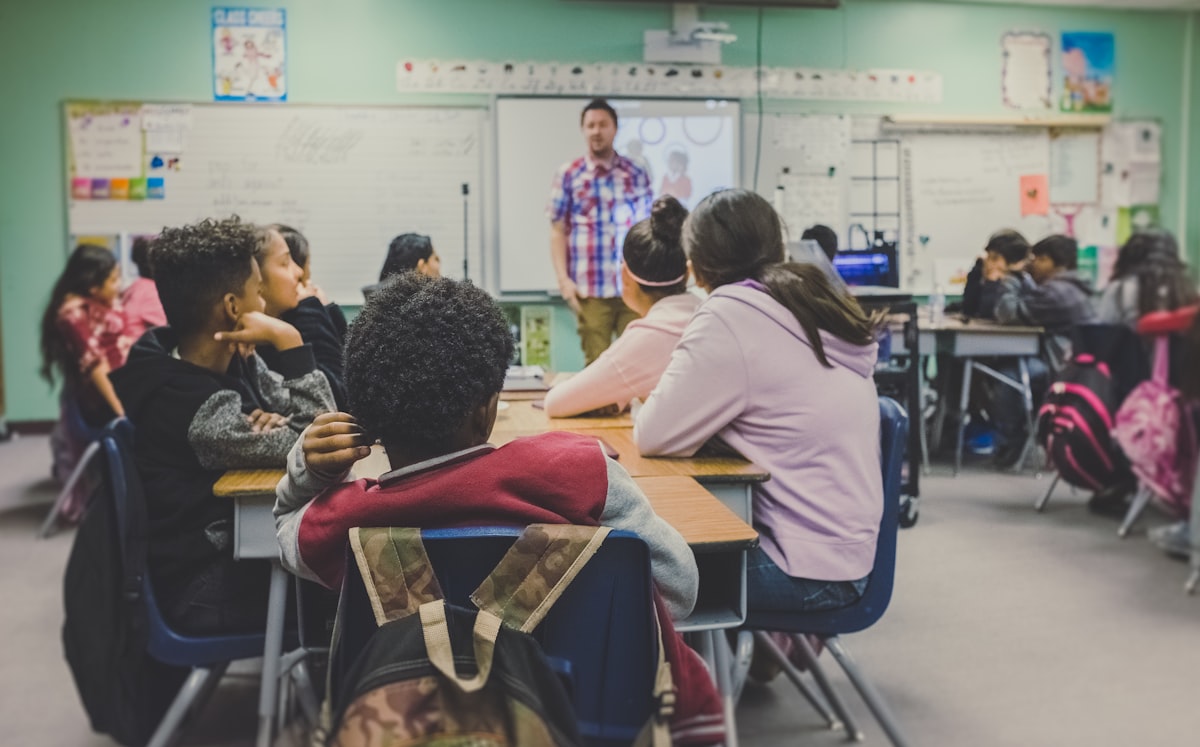
Students engaged in modern learning with technology
Modern classrooms are increasingly integrating AI-driven technologies.

Key Benefits of AI in Modern Education

Integrating AI into schools and universities brings a multitude of benefits that address traditional educational challenges. By leveraging machine learning and data analytics, educators can drastically improve student outcomes.

  • Personalized Learning: AI algorithms analyze individual student strengths, weaknesses, and learning paces to deliver customized content and exercises.
  • Automated Administrative Tasks: Teachers spend less time grading multiple-choice tests and managing schedules, allowing them to focus more on direct student interaction.
  • 24/7 Tutoring Support: AI-powered chatbots and virtual assistants provide students with instant help on homework and complex concepts outside of school hours.
  • Enhanced Accessibility: Features like real-time speech-to-text, translation tools, and adaptive interfaces make learning materials accessible to students with diverse disabilities.

Digital interface representing artificial intelligence and data
Data-driven insights help educators tailor their teaching strategies.

Challenges and Ethical Considerations

While the potential of AI in education is immense, it also brings valid concerns regarding data privacy, algorithmic bias, and the digital divide. Schools must implement strict policies to ensure student data is protected and that AI tools are used equitably across all socioeconomic demographics.

  1. Data Privacy: Protecting sensitive student information from breaches and unauthorized commercial use is paramount.
  2. Reducing Bias: Developers must actively work to eliminate biases in AI training data to ensure fair treatment of all learners.
  3. Human Connection: Technology should augment, not replace, the irreplaceable empathy and guidance provided by human teachers.

The Future Outlook

The integration of artificial intelligence in education is just beginning. As natural language processing and immersive technologies improve, we can expect even more intuitive learning platforms. Embracing these advancements responsibly will ensure that the next generation of students is fully prepared for a tech-driven workforce.